اخبار
محصولی عالی با کاردستی عالی

 sales@wxdoka.com
 +86-13861753508
 شماره 18 جاده Xiangge، شهر Hudai، منطقه Binhu، Wuxi، چین


را کاترپیلار HEUI سیستم انژکتور با کنترل الکترونیکی هیدرولیکی یکی از مهمترین پیشرفتها در فناوری تزریق سوخت دیزل سنگین در دهههای 1990 و 2000 است. برخلاف سیستمهای انژکتور مکانیکی معمولی که برای تولید فشار تزریق به پمپ سوخت پرفشار متکی هستند، سیستم HEUI از روغن موتور پرفشار بهعنوان یک محیط هیدرولیک برای فعال کردن انژکتورها استفاده میکند، با کنترل الکترونیکی که زمان، مدت و فشار تزریق را بر اساس سیلندر به سیلندر کنترل میکند. این معماری به مهندسان کاترپیلار اجازه میدهد تا فشار تزریقی بیش از 28000 psi برسند - بسیار فراتر از آنچه که سیستمهای پمپ بادامک رانش معمولی آن دوران میتوانستند تولید کنند - که امکان اتمیزهسازی دقیقتر سوخت، احتراق کاملتر، انتشار ذرات کمتر و بهبود مصرف سوخت را در طیف وسیعی از شرایط عملیاتی فراهم میکرد.
را HEUI concept was co-developed by Caterpillar and Navistar International, with both companies independently applying the technology to their own engine families during the 1990s. Caterpillar's implementation became the foundation of their highly regarded 3126, C7, and C9 engine series, as well as selected versions of the 3406E and C-10 and C-12 platforms. These engines powered an enormous range of applications including on-highway trucks, school and transit buses, construction equipment, marine propulsion systems, and stationary power generation units, making the HEUI system one of the most widely deployed advanced injection technologies in the commercial diesel market.
درک اصل عملکرد سیستم HEUI برای هر کسی که این موتورها را نگهداری، تشخیص یا بازسازی می کند ضروری است. این سیستم اساساً از هر دو روش تزریق مکانیکی کنترل شده سنتی و طرح های مشترک ریل در نحوه ایجاد فشار مورد نیاز برای وارد کردن سوخت به محفظه احتراق فاصله می گیرد.
را HEUI system uses a dedicated high-pressure oil pump—driven directly off the engine—to pressurise engine lubricating oil to between 500 and 3,000 psi within a high-pressure oil manifold, often referred to as the "rail" even though it carries oil rather than fuel. This pressurised oil is routed to each unit injector through dedicated oil passages in the cylinder head. Inside each injector, the high-pressure oil acts on a hydraulic amplifier piston that multiplies the oil pressure by a ratio of approximately 7:1 to generate the actual fuel injection pressure at the injector tip—which can reach 23,000 to 28,000 psi in operational conditions. The oil actuation pressure is continuously variable and is controlled by the engine ECM through an Injection Actuation Pressure Control Valve (IAPCV), allowing the system to modulate injection pressure dynamically in response to load, speed, and emissions requirements.
هر انژکتور HEUI حاوی یک سوپاپ کنترلی با الکترومغناطیسی است که ECM موتور آن را برای شروع و پایان دادن به رویداد تزریق انرژی می دهد. هنگامی که ECM یک پالس جریان را به شیر برقی انژکتور می فرستد، شیر کنترل باز می شود و اجازه می دهد روغن فشار بالا وارد محفظه تقویت کننده هیدرولیک شود. پیستون تقویتکننده پایین میآید و سوخت را در بشکه انژکتور تحت فشار قرار میدهد تا فشار تزریق شود، که باعث میشود دریچه سوزنی از صندلی خود خارج شود و یک بار سوخت دقیق اندازهگیری شده را به محفظه احتراق میرساند. هنگامی که ECM جریان برقی را قطع می کند، شیر کنترل بسته می شود، فشار روغن فرو می ریزد، سوزن به محل خود باز می گردد و تزریق به پایان می رسد. مدت زمان پالس جریان مستقیماً مقدار سوخت تزریق شده را کنترل می کند، در حالی که زمان پالس در چرخه موتور زمان تزریق را کنترل می کند. این کنترل کاملاً الکترونیکی تزریق پایلوت، تزریق تقسیمشده و سایر استراتژیهای تزریق پیشرفته را که برای رعایت استانداردهای انتشار گازهای گلخانهای و بهینهسازی کیفیت احتراق حیاتی هستند، ممکن میسازد.
را HEUI injection system was deployed across a substantial range of Caterpillar engine families spanning nearly two decades of production. Technicians and fleet operators working with these engines should be familiar with which specific configurations use HEUI injection, as diagnosis and repair procedures differ significantly from common-rail and mechanical injection engines.
| مدل موتور | جابجایی | برنامه های کاربردی اولیه | سال های تولید |
| کاترپیلار 3126 | 7.2 لیتر inline-6 | کامیون های متوسط، اتوبوس، RVs | 1997-2003 |
| کاترپیلار C7 | 7.2 لیتر inline-6 | کامیون های متوسط، اتوبوس مدرسه، ساخت و ساز | 2003–2009 |
| کاترپیلار C9 | 8.8 لیتر خطی-6 | کامیون های سنگین، اتوبوس های ترانزیت، دریایی | 2004–2010 |
| کاترپیلار 3406E | 14.6 لیتر inline-6 | کامیون های کلاس 8 صنعتی | 1993-1999 |
| کاترپیلار C-10 / C-12 | 10.3 لیتر / 11.9 لیتر inline-6 | کامیون های کلاس 8 در بزرگراه | 1996-2004 |
را 3126 and its successor, the C7, are the most numerically common HEUI-equipped engines encountered in service, particularly in school bus, transit bus, and medium-duty truck fleets. The C9 represents a heavier-duty application of the same core technology, while the larger 3406E, C-10, and C-12 engines applied HEUI principles to Class 8 on-highway applications where high injection pressure was essential for meeting the progressively tightening emissions standards of the late 1990s and early 2000s.
را HEUI system's dependence on engine oil condition and pressure introduces failure modes that are not present in fuel-pressure-only injection systems. Many of the most common and costly HEUI failures are directly traceable to oil maintenance practices and the condition of the high-pressure oil circuit components. Understanding these failure patterns allows technicians to diagnose problems more efficiently and helps fleet operators implement preventive maintenance practices that extend system service life.
را high-pressure oil pump is the most mechanically stressed component in the HEUI system and is a common failure point, particularly on high-mileage engines or those that have experienced oil degradation or neglected oil change intervals. The pump uses a series of precision-machined pistons and valves to generate the high oil pressures required for injector actuation, and these components are extremely sensitive to oil contamination, viscosity breakdown, and extended drain intervals. A worn or failing high-pressure oil pump manifests as low actuation pressure, which the ECM attempts to compensate for by demanding higher IAPCV duty cycles—a condition visible through diagnostic software such as Caterpillar ET (Electronic Technician). Symptoms include hard starting, especially when cold, rough running, misfires under load, and in severe cases complete engine shutdown as actuation pressure falls below the minimum threshold required to open the injector control valves.
خرابی انژکتورهای HEUI فردی در موتورهای با مسافت پیموده شده رایج است و معمولاً به صورت احتراق ناقص خاص سیلندر، بیکاری خشن یا دود زیاد از یک یا چند سیلندر ظاهر می شود. سیم پیچ برقی انژکتور می تواند باعث ایجاد اتصال باز یا اتصال کوتاه شود که از عملکرد صحیح انژکتور جلوگیری می کند. حلقههای داخلی و آببندهای داخلی بدنه انژکتور - که باید چرخههای فشار مکرر بین نزدیک به صفر تا 28000 psi را تحمل کنند - در نهایت دچار خستگی و نشت میشوند و باعث آلودگی متقاطع داخلی بین مدار تحریک روغن و مدار سوخت میشوند. آلودگی روغن سیستم سوخت ناشی از خرابی کاسه نمد انژکتور یک پیامد جدی است، زیرا می تواند به پمپ انتقال سوخت آسیب برساند و روغن را در مقادیری وارد محفظه احتراق کند که باعث ایجاد دود آبی قابل مشاهده و مبدل کاتالیزوری یا آسیب فیلتر ذرات دیزل در موتورهای با مشخصات بعدی شود.
را IAPCV is an electrically controlled pressure-regulating valve that modulates the oil pressure supplied to the injectors in response to ECM commands. Contamination of the valve seat or spool by oil degradation products, metal particles from a worn pump, or sludge from infrequent oil changes can cause the valve to stick, leak internally, or respond sluggishly to ECM commands. A faulty IAPCV typically produces erratic actuation pressure readings, hunting or surging at idle, and inconsistent power delivery under varying load conditions. Because the IAPCV is a relatively affordable component compared to the injectors or the high-pressure oil pump, it is often the first replacement part specified during HEUI system diagnosis when actuation pressure anomalies are detected.
حباب هوا در مدار روغن پرفشار - ناشی از سطح روغن پایین، نشتی صفحه ورودی پمپ روغن، ترک خوردگی منیفولد روغن با فشار بالا، یا نشت بیرونی خنک کننده روغن - یکی از مشکلات HEUI دشوارتر برای تشخیص است زیرا روغن هوادهی نمی تواند فشار هیدرولیک را به طور مداوم منتقل کند. نتیجه رفتار تزریق غیرقابل پیشبینی، احتراق نادرست ظاهری است که بین سیلندرها حرکت میکند، و خوانش فشار تحریک که بهجای حفظ یک مقدار ثابت، بهطور نامنظم در نوسان است. تشخیص هوادهی روغن مستلزم بازرسی دقیق مدار روغن پرفشار برای نقاط ورودی هوا است و همیشه باید سطح و وضعیت روغن موتور را بررسی کرد، زیرا هم شرایط پر شدن بیش از حد و هم کم پر شدن می تواند هوادهی را در مدار روغن HEUI افزایش دهد.
تشخیص موثر سیستم HEUI هم به ابزارهای تشخیصی صحیح و هم به یک رویکرد سیستماتیک نیاز دارد که مشکلات مدار روغن را از مشکلات مدار سوخت و مسائل کنترل الکترونیکی قبل از تعویض هر قطعه جدا کند. توالی تشخیصی زیر بهترین عملکرد را برای موتورهای کاترپیلار مجهز به HEUI نشان می دهد:
را HEUI system's sensitivity to oil condition makes engine oil maintenance the single most impactful preventive measure available to operators of HEUI-equipped Caterpillar engines. Many of the most costly HEUI failures encountered in the field—worn high-pressure oil pumps, stuck IAPCVs, and internally contaminated injectors—can be directly attributed to extended oil change intervals, use of incorrect oil specifications, or failure to address oil leaks and consumption promptly.
توصیه های کلیدی نگهداری پیشگیرانه برای موتورهای مجهز به HEUI عبارتند از:
را Caterpillar HEUI system occupies a significant position in the history of diesel engine development as a transitional technology that bridged the gap between mechanically governed injection and the fully hydraulic common-rail systems that dominate modern heavy-duty diesel engines. By demonstrating that electronically controlled variable-pressure injection was achievable and commercially viable in production engines, the HEUI platform helped establish the performance and emissions standards that common-rail injection systems subsequently built upon and exceeded.
علیرغم خروج کاترپیلار از بازار موتور کامیونهای بزرگراهی آمریکای شمالی در سال 2010 - که تا حدی به دلیل افزایش هزینههای برآورده کردن استانداردهای آلایندگی EPA 2010 ایالات متحده با سیستمهای تصفیه پس از آن انجام شد - میلیونها دستگاه 3126، C7، C9 و تجهیزات HEUI مجهز شدهاند، کامیونهای با سوراخهای بزرگ در تجهیزات ساختوساز، کاربردهای فراوانی در جهان دارند. برای تکنسینها، مدیران ناوگان، و مالک-اپراتورهایی که این موتورها را نگهداری میکنند، درک کامل از اصول عملکرد سیستم HEUI، حالتهای رایج خرابی، و شیوههای صحیح تشخیصی و تعمیر و نگهداری، دانش ضروری است که مستقیماً بر قابلیت اطمینان تجهیزات، هزینههای عملیاتی و افزایش عمر سرویس تأثیر میگذارد.
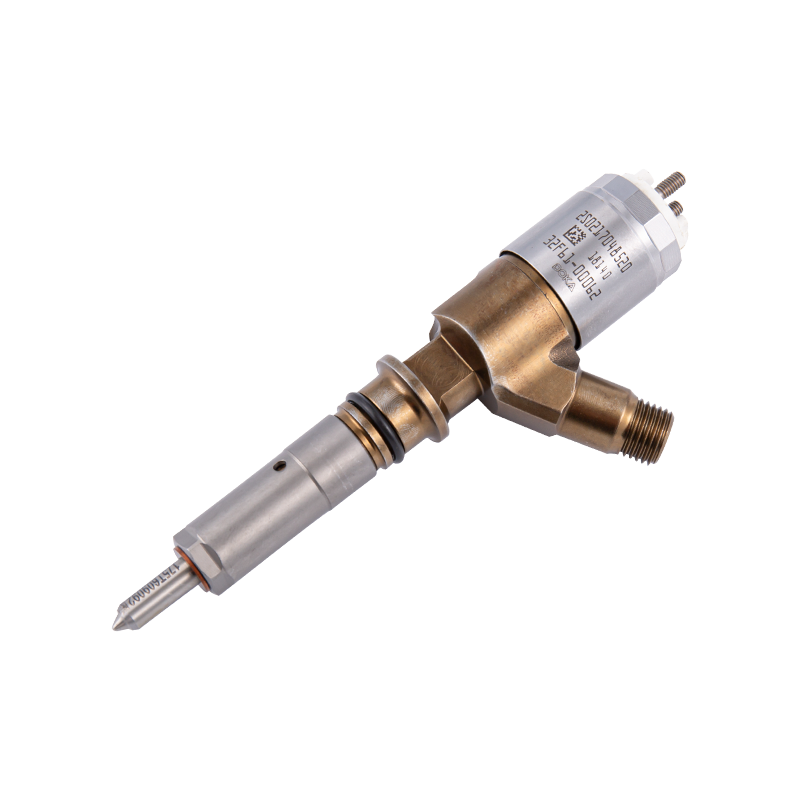
سازگار با انژکتور سوخت سری کاترپیلار HEUI CAT C6-212-3460، مناسب برای موتورها...
See Details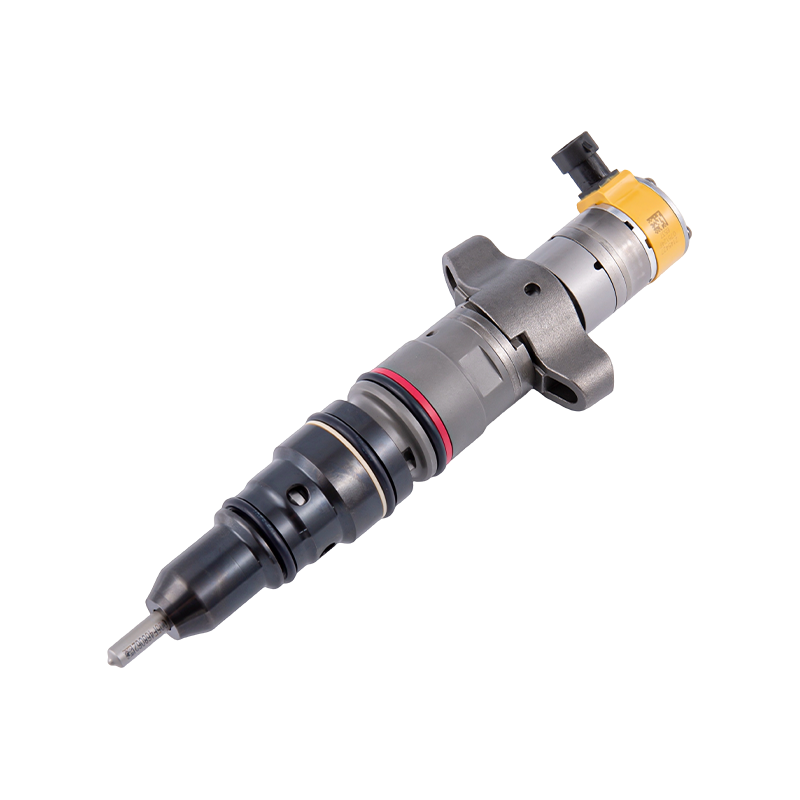
انژکتور با انژکتور سری کاترپیلار HEUI CAT C9-387-9433 سازگار است و برای موتور...
See Details